The Peril Problem
On balancing stakes with reader comfort in cozy mysteries

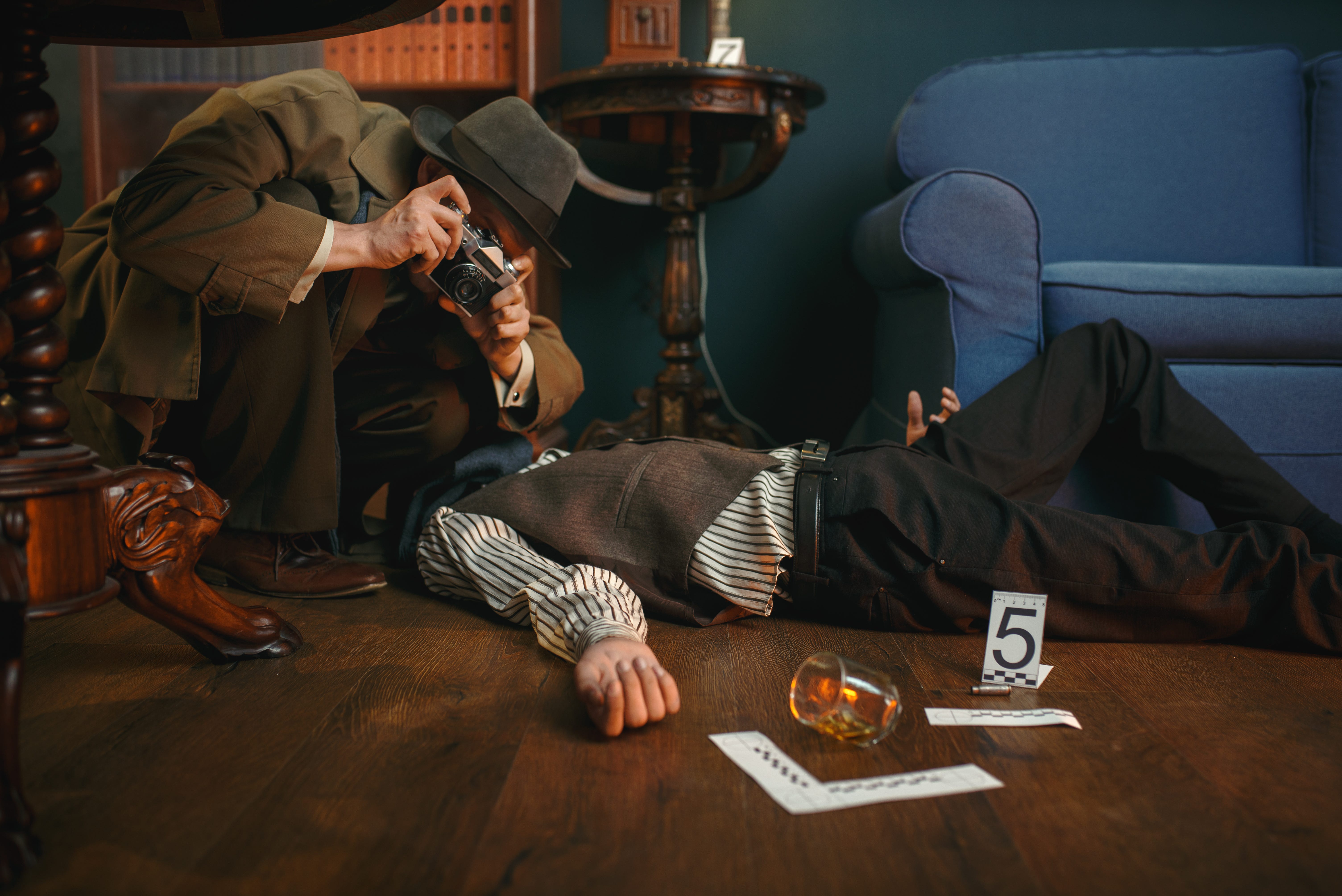
One of the things I struggle with while writing cozies is the issue of peril. What real situations of danger actually exist for victims and characters in my books? What can I show, what can I talk about, and what do I have to imply?
This isn’t true crime or suspense, where almost anything goes. In cozy mysteries, I don’t want to put readers off. I can’t sell the notion of “cozy” and then deliver a scene with buckets of blood and guts, or a murderer shooting a character in the face. But it also can’t all be poisonings and accidental falls. That gets unbelievable fast.
The real challenge is that I have to create tense situations that aren’t intense. That’s the tightrope.
Take Poirot. When a victim is bloody or horrific, it’s never shown. Poirot and Hastings look at the corpse and react, but the viewer isn’t treated to the details. Yet there are plenty of poisonings, violent deaths, even kidnappings. And here’s the kicker. Poirot himself is never in real danger. The suspects gather in the library, Poirot reveals what he knows, and the killer is exposed. Maybe they run. That’s it. You can’t imagine action-movie Poirot throwing a punch, can you?
So here’s how I play it. A character is bludgeoned to death, but the injuries aren’t described. A character survives a car accident relatively unscathed, and it becomes a humorous beat. A character gets trapped but manages to escape before things go truly bad. That’s the box I work in.
So I want to hear from you. How much peril is too much for a cozy? And when does it become so little that it’s unbelievable?
Death can be violent but instead of describing the death in details directly in, imply how violent the situation is. Also if the victim is a bad guy, I have a much higher tolerance of how violent the death is and how detailed the description is about the death. Take Murder on the Orient Express as an example, the victim is stabbed 12 times. That’s pretty bloody. But readers know from several different characters’ perspectives (including Poirot’s) that he is a villain before his death.